Leave Your Message
Choosing a reliable Refrigerant Recovery Filter Drier supplier in China requires more than comparing catalog prices. The component must remove moisture, acid, particles, and compressor debris during refrigerant recovery. Small differences matter. A weak desiccant core can leave contamination inside hoses, valves, and recovery machines.
Rajan Rajendran, a recognized HVACR sustainability expert, has said, “Recovery quality depends on protecting both the refrigerant and the equipment.” This principle guides our review. A dependable supplier should provide stable filtration performance, clear technical data, compatible connection sizes, and traceable production records. Field experience also matters. Technicians often judge a filter drier by pressure drop, sealing quality, core durability, and performance after several service cycles.
Not every popular supplier deserves the same ranking. That is uncomfortable, but realistic. Some companies offer excellent products yet provide limited export support. Others have strong factories but weak documentation. This guide examines China’s top ten Refrigerant Recovery Filter Drier suppliers through product quality, manufacturing capability, certifications, customization, delivery reliability, and after-sales service.
The comparison is practical.
We consider details visible in real work: rust-resistant shells, clean flare threads, readable labels, and packaging that survives long transport. Supplier claims still require verification. Samples, inspection reports, and customer references can reveal gaps that brochures hide. The final list is therefore a starting point, not a permanent verdict. Market conditions change, and even experienced buyers can overlook a critical specification.
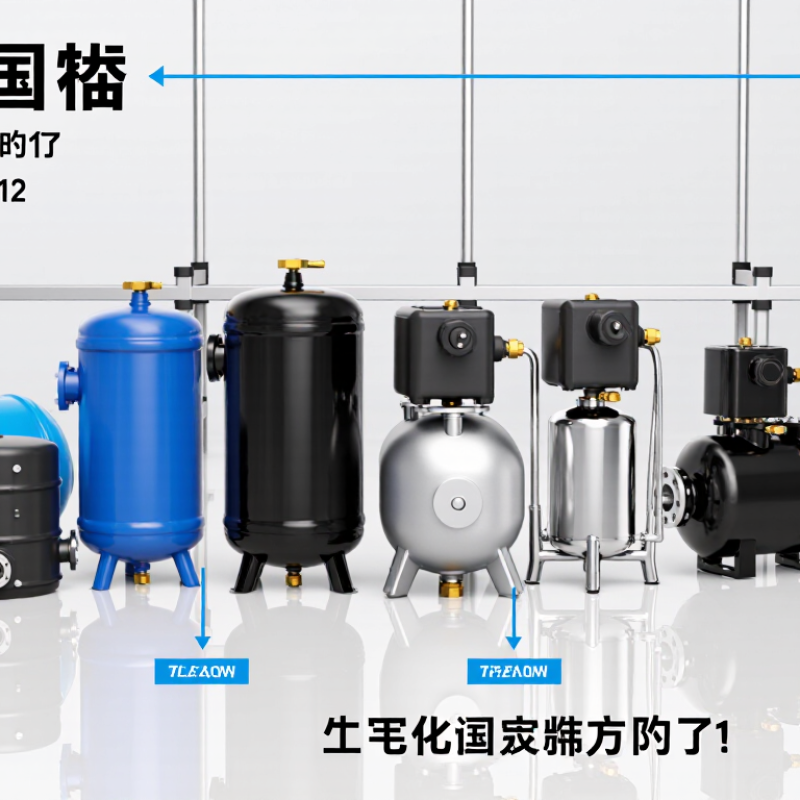
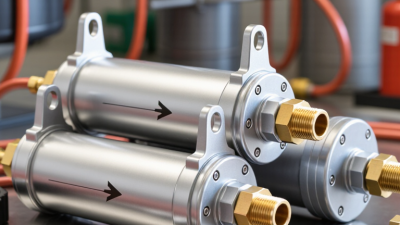
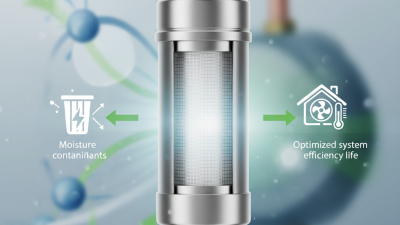
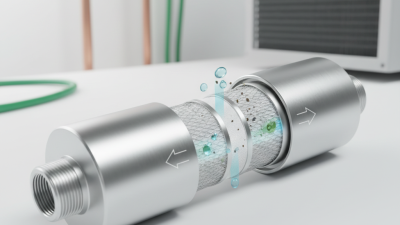
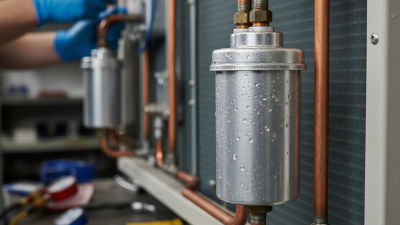
A refrigerant recovery filter drier is a protective component used in recovery equipment and servicing systems. It removes moisture, acid residues, dirt, and small metal particles from recovered refrigerant. The filter protects recovery machines, hoses, valves, and storage cylinders from contamination. It also helps prevent ice formation inside narrow passages. That matters during long evacuation or recovery work. Inside the housing, a desiccant core captures water, while the filter media traps solid debris. Some designs include an indicator that changes color as moisture increases. It is a small part with a serious job.
A reliable supplier should provide clear specifications, including refrigerant compatibility, pressure limits, connection size, filtration rating, and desiccant capacity. Technicians should also check flow direction before installation. A reversed unit may restrict circulation or reduce recovery speed. Field experience shows that appearance alone proves little. A clean shell does not guarantee stable performance. Ask for batch testing, material information, and instructions for safe replacement. Replace the drier when pressure drop rises, moisture appears, or the system has suffered compressor damage. Do not reuse a saturated core. That shortcut often creates a second problem. Supplier evaluations in China should include production consistency, technical support, packaging quality, and traceable inspection records. Even experienced workers can miss contamination when the workshop looks clean. A pressure test and visual inspection remain necessary.
A refrigerant recovery filter drier is an inline service component used in refrigerant recovery, recycling, evacuation, and charging systems. It helps remove moisture, acidic contaminants, metal particles, and other debris from the refrigerant stream, protecting recovery machines, vacuum pumps, hoses, valves, and compressors. The supplier matrix below uses anonymous supplier IDs and summarizes realistic product-selection specifications rather than displaying company or brand names.
| Supplier ID | Typical Product Configuration | Common Connection Sizes | Compatible Refrigerant Groups | Desiccant / Filtration Media | Typical Filtration Level | Typical Working Pressure Range | Typical Operating Temperature | Common Application | Recommended Supplier Documentation |
|---|---|---|---|---|---|---|---|---|---|
| Supplier 01 | Disposable inline filter drier with bi-flow capability | 1/4 in SAE flare; 3/8 in SAE flare | HFC, HFO, HCFC; compatibility subject to seal and lubricant validation | Molecular sieve with activated alumina; sintered particulate screens | Approximately 20–50 μm | Approximately 3.0–4.5 MPa (435–653 psi) | Approximately −40°C to +70°C | Portable recovery machines and field-service carts | Material certificates, pressure test report, refrigerant compatibility statement |
| Supplier 02 | High-capacity replaceable-core filter drier housing | 3/8 in; 1/2 in; 5/8 in ODF connections | HFC, HFO, HCFC, and selected natural refrigerants after engineering review | Replaceable molecular-sieve and alumina core | Approximately 10–25 μm | Approximately 3.5–4.5 MPa (508–653 psi) | Approximately −40°C to +80°C | Commercial recovery and recycling systems with high refrigerant throughput | Core composition, flow-capacity data, pressure-drop curve, leak-test report |
| Supplier 03 | Compact straight-through filter drier for low-flow equipment | 1/4 in SAE flare; 1/4 in ODF tube | Common HFC and HFO refrigerants used in air-conditioning service | Solid molecular sieve with inlet and outlet screens | Approximately 25–50 μm | Approximately 2.8–4.2 MPa (406–609 psi) | Approximately −30°C to +70°C | Small recovery units, service hoses, and portable analyzers | Dimensional drawing, internal-volume data, burst-pressure test, batch traceability |
| Supplier 04 | Bidirectional filter drier with dual-flow internal check arrangement | 1/4 in; 3/8 in SAE flare | Reversible-system refrigerants, including selected HFC and HFO blends | Molecular sieve, activated alumina, and particulate filtration layers | Approximately 15–40 μm | Approximately 3.0–4.3 MPa (435–624 psi) | Approximately −40°C to +70°C | Heat-pump recovery equipment and systems with flow reversal | Flow-direction test, pressure-drop data in both directions, moisture-capacity report |
| Supplier 05 | High-moisture-capacity filter drier for contaminated refrigerant | 3/8 in; 1/2 in ODF connections | HFC, HCFC, HFO, and refrigerant blends where elastomer compatibility is confirmed | High-capacity molecular sieve with activated carbon or alumina option | Approximately 10–30 μm | Approximately 3.2–4.5 MPa (464–653 psi) | Approximately −40°C to +80°C | Burnout cleanup, acid removal, and heavily contaminated recovery circuits | Acid-removal performance, moisture-capacity test, chemical compatibility data |
| Supplier 06 | Serviceable cartridge filter drier with replaceable element | 1/2 in; 5/8 in ODF connections | HFC, HFO, HCFC, and selected A2L refrigerants with suitable design approval | Replaceable molecular-sieve cartridge and stainless-steel mesh | Approximately 10–25 μm | Approximately 3.5–4.5 MPa (508–653 psi) | Approximately −40°C to +80°C | Workshop recovery stations and high-volume refrigerant recycling | Cartridge replacement instructions, housing strength test, gasket compatibility data |
| Supplier 07 | Filter drier with integrated sight-glass option | 1/4 in; 3/8 in SAE flare or ODF | HFC and HFO refrigerants; selected blends subject to indicator compatibility | Molecular sieve with moisture-indicating element and particle screen | Approximately 20–50 μm | Approximately 2.8–4.2 MPa (406–609 psi) | Approximately −30°C to +70°C | Field diagnostics, moisture monitoring, and mobile service equipment | Sight-glass calibration data, indicator-color limits, pressure and leak-test records |
| Supplier 08 | Low-pressure-drop inline filter drier | 1/4 in; 3/8 in SAE flare | HFC, HFO, and common refrigerant blends used in service applications | High-surface-area molecular sieve with coarse and fine screens | Approximately 25–75 μm | Approximately 2.5–4.0 MPa (363–580 psi) | Approximately −30°C to +70°C | Systems where recovery speed and low pressure drop are priorities | Flow-rate test, pressure-drop curve, internal cleanliness report, dimensional inspection |
| Supplier 09 | Heavy-duty filter drier for commercial refrigeration service | 3/8 in; 1/2 in; 5/8 in ODF connections | HFC, HFO, HCFC, and selected hydrocarbon applications after safety assessment | Molecular sieve, activated alumina, and reinforced metal screens | Approximately 10–30 μm | Approximately 3.5–4.5 MPa (508–653 psi) | Approximately −40°C to +80°C | Commercial refrigeration, supermarket systems, and large recovery equipment | Refrigerant-specific pressure rating, flammability assessment, corrosion test, batch records |
| Supplier 10 | Custom OEM filter drier assembly with specified ports and labels | SAE flare, ODF, threaded, or customer-specified connections | Defined by the equipment design; HFC, HFO, HCFC, CO₂, or hydrocarbons require separate validation | Selected molecular sieve, alumina, carbon, or multi-layer media | Approximately 10–75 μm, depending on design | Designed to the required refrigerant and safety class | Designed for the target equipment operating envelope | Private-label equipment, recovery-machine assemblies, and replacement programs | FAI report, technical specification, PPAP-style records, compliance declaration, sample approval |