Top 10 Benefits of Using Aluminum Filter Drier for HVAC?
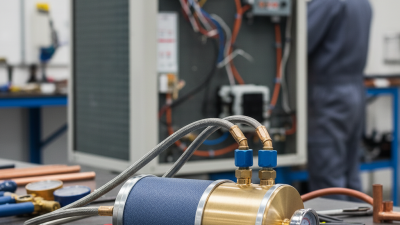
In recent years, the HVAC industry has seen significant advancements in components that enhance system efficiency and longevity. One such vital component is the Aluminum Filter Drier. According to the U.S. Department of Energy, maintaining optimal refrigerant conditions can improve system efficiency by up to 30%. This makes the choice of filter drier crucial for both performance and cost savings.
Aluminum Filter Driers offer several key advantages. They help in removing moisture and contaminants from the refrigerant, preventing corrosion and damage to system components. Studies indicate that nearly 80% of HVAC system failures are linked to moisture and impurities. Using an Aluminum Filter Drier can significantly reduce this risk, ensuring reliable operation.
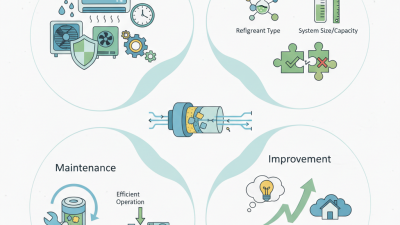
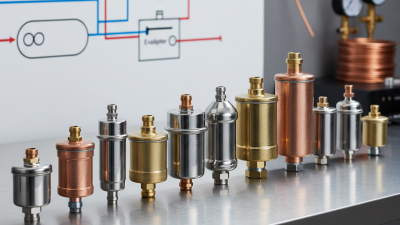
Despite these advantages, it's essential to choose the right size and type for specific applications. Missteps in the selection process can lead to inefficiencies. A well-informed decision can enhance the HVAC system's overall reliability and energy efficiency. Thus, understanding the benefits of Aluminum Filter Driers is vital for HVAC professionals and homeowners alike.
The Role of Aluminum Filter Drier in Enhancing HVAC Efficiency
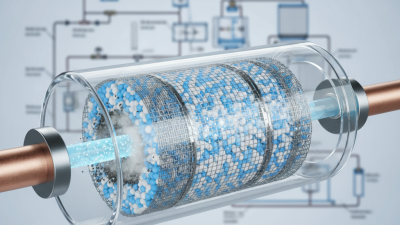
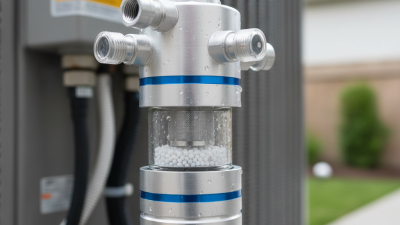
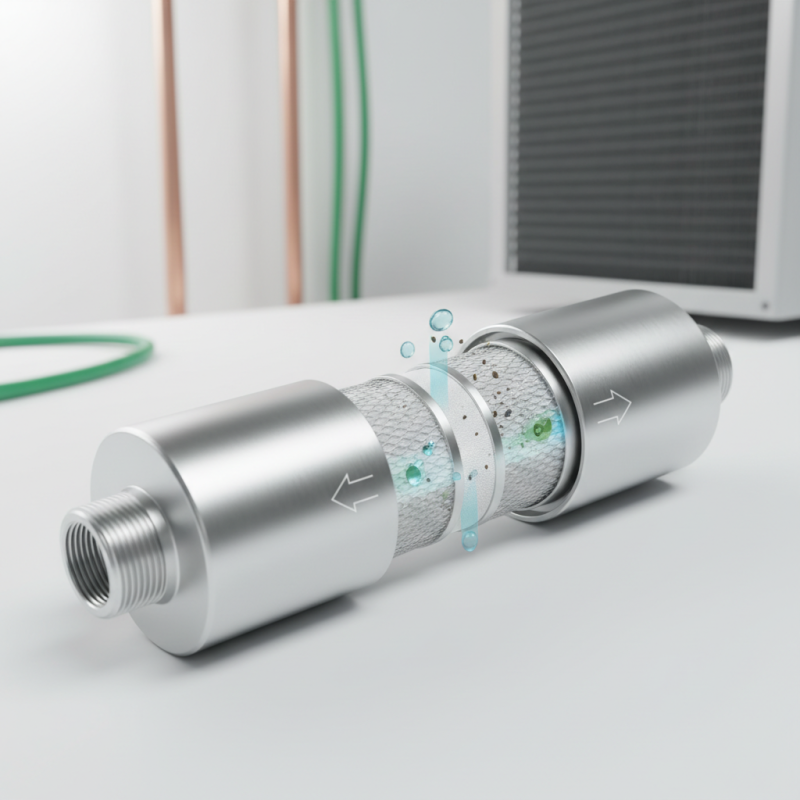
The role of an aluminum filter drier in HVAC systems is crucial. It efficiently removes moisture and impurities, protecting various components. These filter driers help maintain optimal refrigerant flow, which enhances overall system efficiency. When moisture penetrates the system, it can lead to ice formation, causing blockages. By using a filter drier, you can mitigate these risks effectively.
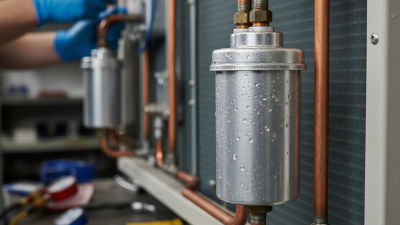
Tips: Regular maintenance of the aluminum filter drier is essential. Check for clogs and replace the unit when needed. Keeping the system clean prolongs its lifespan. Also, ensure the filter drier matches the specific requirements of your HVAC system. This ensures peak performance and energy efficiency.
An aluminum filter drier can improve energy efficiency significantly. Reduced energy loss translates to lower utility bills. However, if not monitored, these benefits can fade. Periodically inspect the drier for any signs of wear. Remember, a well-maintained filter drier will save you money in the long run. Investing in quality and knowledge makes a difference.
Top 10 Benefits of Using Aluminum Filter Drier for HVAC
Understanding the Moisture Removal Capacity of Aluminum Filter Driers
Aluminum filter driers play a vital role in HVAC systems by efficiently removing moisture. Moisture can lead to significant issues, such as corrosion and mold growth. A study from the Air Conditioning Contractors of America (ACCA) indicates that moisture can reduce system efficiency by up to 15%. This shows the importance of effective moisture control.
The unique design of aluminum filter driers enhances their moisture removal capacity. They can trap moisture and contaminants, promoting system longevity. According to the American Society of Heating, Refrigerating and Air-Conditioning Engineers (ASHRAE), maintaining low moisture levels is crucial. Beyond typical conditions, excessive moisture can freeze in systems, causing blockages.
Despite their advantages, selecting the right size and type is crucial. Not all applications are the same. Some systems may require specific drier capacities for optimal function. Users should consider their system’s requirements to avoid efficiency loss. Proper installation and monitoring can uncover potential improvements in moisture management. This ensures HVAC systems work effectively for longer periods.
Comparative Analysis: Aluminum vs. Traditional Filter Drier Materials
Aluminum filter driers have become a popular choice in HVAC systems, outperforming traditional materials in numerous ways. Their lightweight properties simplify installation and reduce the overall system weight. This feature allows for easier handling and often results in lower shipping costs. Additionally, aluminum’s resistance to corrosion enhances durability. Unlike traditional metal driers, aluminum maintains its integrity in varying temperatures and humid environments.
Furthermore, aluminum driers tend to have superior moisture absorption capabilities. This aspect is crucial in preventing system damage caused by moisture buildup. The effectiveness of aluminum can lead to improved system efficiency, which many HVAC technicians have noted. However, some may question the initial cost of aluminum filters compared to traditional options. While they might be higher at first, the long-term reliability often justifies the expense.
It's also important to acknowledge that not all systems may benefit equally from aluminum filters. In some situations, traditional driers might still be adequate. This reality calls for careful evaluation during system design and installation. Choosing the right materials should consider specific environmental conditions and system requirements. Reflection on these details can lead to better decision-making in HVAC applications.
Top 10 Benefits of Using Aluminum Filter Drier for HVAC
| Benefit |
Aluminum Filter Drier |
Traditional Filter Drier Materials |
| Weight |
Lightweight and easy to install |
Heavier and more cumbersome |
| Corrosion Resistance |
Highly resistant to corrosion |
Prone to rust and degradation |
| Thermal Conductivity |
Excellent thermal conductivity |
Lower thermal conductivity |
| Cost Efficiency |
Cost-effective in long run |
Higher replacement costs |
| Compatibility |
Compatible with various refrigerants |
Limited compatibility |
| Maintenance |
Requires minimal maintenance |
Higher maintenance needs |
| Environmental Impact |
Recyclable and eco-friendly |
Less environmentally friendly |
| Performance |
Consistent performance under pressure |
Variable performance in extreme conditions |
| Durability |
Long lifespan |
Generally shorter lifespan |
| Installation |
Easy and quick installation |
Complex installation process |
Impact of Aluminum Filter Driers on HVAC System Longevity and Maintenance
Aluminum filter driers play a crucial role in the longevity of HVAC systems. By effectively removing moisture and contaminants from the refrigerant, they help maintain optimal performance. This reduction in impurities can lead to fewer breakdowns. Thus, the system runs smoother for longer periods because of fewer blockages.
Regular maintenance becomes less frequent with these filter driers in place. Over time, systems without proper filtration can see increased wear. The presence of contaminants can lead to corrosion or even compressor failure. Selecting the right aluminum filter drier is therefore an investment in the system’s health. Technicians often notice that systems equipped with these driers operate more efficiently.
However, it's essential to monitor the condition of the filter drier itself. It can become saturated and ineffective. Regular checks can prevent unexpected issues. Relying solely on the filter drier without regular inspection may lead to challenges down the line. Maintaining a balance between efficiency and routine maintenance is key to maximizing HVAC longevity.
Cost-Effectiveness of Using Aluminum Filter Driers in HVAC Applications
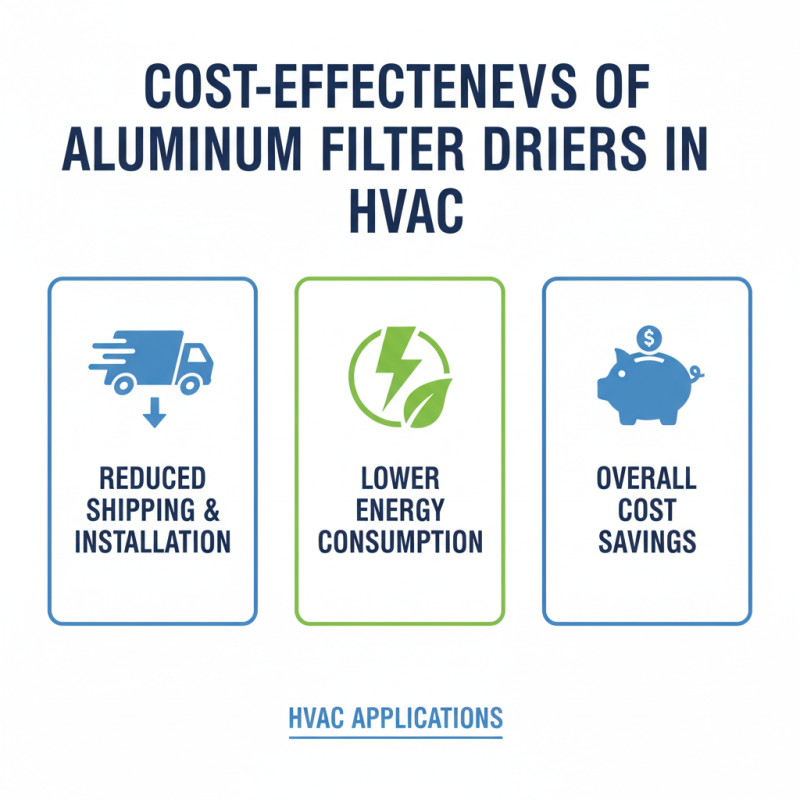
Aluminum filter driers offer significant cost-effectiveness in HVAC systems. Their lightweight nature reduces shipping and installation expenses. Additionally, aluminum has excellent thermal conductivity. This leads to lower energy consumption during operation.
Many HVAC professionals appreciate the durability of aluminum. It resists corrosion, ensuring a longer lifespan. This durability reduces the need for frequent replacements. However, installation may require specific tools and skills. Improper installation can lead to inefficiencies, negating potential savings.
Another factor is maintenance. Aluminum filter driers often require less upkeep than their counterparts. However, periodic checks are necessary to ensure optimal performance. Neglect can lead to increased operational costs over time. Balancing cost savings with proper care is essential for efficiency in HVAC applications.