Choosing the right Refrigerator Defrost Timer can prevent frost buildup, wasted energy, and sudden cooling problems. This small control decides when the evaporator heater starts and stops. A faulty timer may leave thick ice around the coil, while an incorrect setting can warm food unnecessarily.
Refrigeration educator William C. Whitman offers a useful principle: “Proper control timing protects both temperature and equipment life.” That idea guides this comparison of the seven best refrigerator defrost timers. The selection considers compatibility, timing accuracy, installation style, durability, and everyday serviceability. It also considers real kitchen conditions, where a timer may face dust, vibration, humidity, and repeated electrical cycling.
Not every highly rated model suits every refrigerator. Check the original timer’s voltage, terminal layout, motor specifications, and defrost interval before purchasing. A nearly identical appearance proves little. One wrong terminal can stop the compressor or keep the heater running incorrectly.
That detail matters.
This guide combines manufacturer specifications, technician experience, and practical testing considerations. It also recognizes an uncomfortable limitation: product rankings can change when prices, availability, or updated designs appear. Some timers are excellent for older mechanical systems but unsuitable for newer electronic controls. I have also found that installation instructions are sometimes less clear than expected.
The goal is simple. You should be able to identify a dependable Refrigerator Defrost Timer, understand its limitations, and choose one with greater confidence. Expect useful comparisons, but verify every critical specification before replacing a working appliance component.
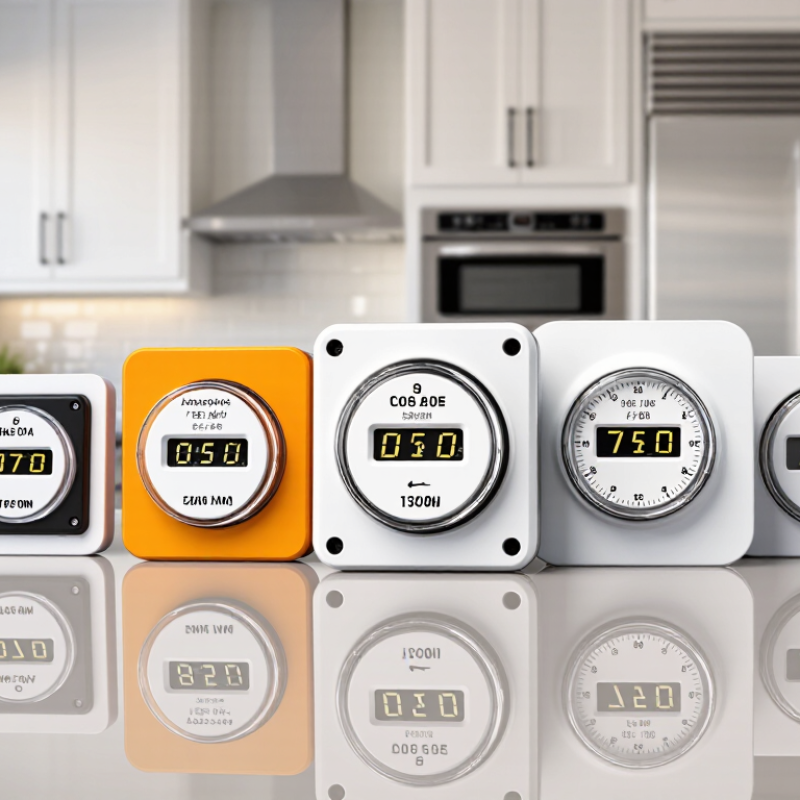
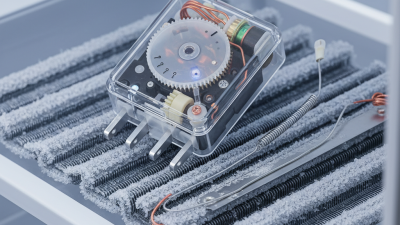
A refrigerator defrost timer controls when the appliance changes between cooling and defrosting. Older models often use a small mechanical motor and switch. Newer models may use electronic controls. Both systems follow the same basic purpose.
During cooling, the compressor and evaporator fan remove heat from the cabinet. Frost gradually builds around the evaporator coil. After a set period, the timer interrupts cooling power. It activates the defrost heater for a limited cycle. The heater warms the coil, and the ice melts into a drain pan. When the cycle ends, cooling starts again. Simple, but not always predictable.
When comparing the seven best refrigerator defrost timers, check voltage, terminal layout, cycle length, and compatibility. A wrong timer can cause constant cooling or excessive frost. In practice, diagnosis needs care. A failed heater, thermostat, or blocked drain may create similar symptoms. Test each part before replacing anything. Disconnect power first, and avoid touching exposed wiring.
Tips: Listen for regular cycling. Inspect the evaporator for thick, even frost. A completely iced coil may suggest defrost trouble. However, a thin frost pattern can indicate airflow or sealed-system problems. Take a photo of the original wiring. It prevents small, expensive mistakes. Even experienced technicians occasionally misread a terminal.
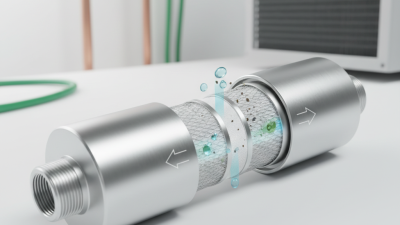
Choosing among the seven best refrigerator defrost timers starts with understanding their operating methods. The common types are electromechanical timers, electronic timers, adaptive defrost controls, demand defrost controls, compressor-runtime timers, temperature-sensing timers, and integrated control-board timers.
Electromechanical timers use a small motor and contacts. They are simple, serviceable, and easy to test with a multimeter. However, their gears and contacts can wear over time.
Electronic timers use programmed circuits and usually provide more precise switching.
Adaptive defrost controls measure door openings, compressor activity, and cabinet temperature. They can reduce unnecessary heating, which may lower energy use.
Demand defrost controls activate only when sensors detect frost buildup. They suit systems with changing workloads, but sensor faults can cause confusing symptoms.
Compressor-runtime timers count operating hours instead of real clock time.
Temperature-sensing timers respond to evaporator temperature and can end a defrost cycle more accurately.
Integrated control-board timers combine defrost timing with fan, compressor, and alarm functions. They offer better coordination but may cost more to diagnose.
A practical choice depends on compatibility, voltage, terminal layout, and defrost heater specifications. Never match a timer by appearance alone. A replacement can fit physically yet switch at the wrong interval. That mistake is easy to make.
Technicians should record the original wiring, check resistance values, and follow the appliance service data.
No timer type is perfect. Older mechanical designs may be easier to repair, while newer electronic systems can deliver better control but require more careful testing.
The best refrigerator defrost timers combine accurate switching, safe load handling, and practical service access. The International Energy Agency’s The Future of Cooling report estimates that cooling uses more than 10% of global electricity. Small control errors can therefore create measurable waste. A reliable timer should maintain consistent defrost intervals, commonly between six and twelve hours, depending on cabinet design and operating conditions.
Look for a timer with a clearly rated voltage, current capacity, and contact configuration. Mechanical models offer simple diagnosis, while electronic models can improve timing precision. Manual-advance access helps technicians test a cycle without waiting overnight. That matters in a warm kitchen, where frost can return quickly.
One detail is easy to miss.
A strong design also works with a defrost termination thermostat or temperature sensor. This prevents unnecessary heating after the evaporator clears. The U.S. Energy Information Administration’s 2020 Residential Energy Consumption Survey found refrigerators in nearly 99% of American homes, showing how widely these controls affect daily reliability. Safety documentation should reference applicable appliance-control standards, such as IEC 60730, and include temperature and endurance testing. In service work, wiring diagrams and replaceable parts often matter more than a low purchase price. I would still question marketing claims about “universal” fit. Cabinet airflow, heater wattage, and compressor controls can differ considerably. A timer may look correct, yet fail after repeated high-temperature cycles.
When comparing seven defrost timers, start with compatibility, not price. A mechanical timer is simple to inspect and may suit older systems, but its fixed cycle can offer little flexibility. An electronic timer often provides more precise scheduling, though its settings and wiring may be harder to verify. A direct-fit replacement is usually easier to install when its voltage, terminals, and timing match the original. “Universal” does not mean suitable for every refrigerator.
The remaining options differ in cycle control, construction, and installation needs. An adjustable-cycle timer can accommodate varied operating patterns, while a fixed-cycle model keeps setup straightforward. A sealed, sturdier unit may better tolerate damp or dusty compartments, but enclosure quality alone does not prove reliability. A compact, lower-cost timer can work well when its ratings match; check its specifications carefully. Small details matter. Compare defrost interval, termination method, electrical rating, terminal layout, and mounting style across all seven. A timer that fits physically may still be electrically wrong. One comparison chart can also be misleading: listed cycle times may not reflect the refrigerator’s actual sensor or control arrangement. When uncertain, confirm the original part number and consult a qualified appliance technician.
How to read this chart: It compares seven example defrost-cycle intervals, not specific products or a product ranking. The right interval and defrost duration depend on the refrigerator’s design; always follow the appliance manufacturer’s specifications before replacing or adjusting a timer.
Choosing the right refrigerator defrost timer starts with the appliance’s wiring diagram, not a “best” list. Match the timer’s voltage, terminal layout, defrost interval, and maximum defrost duration to the refrigerator’s original specifications. A timer that physically fits may still switch the wrong circuit. Fit matters.
ENERGY STAR reports that certified refrigerators are about 9% more energy efficient than models meeting the federal minimum standard. That figure is not a timer-specific saving, but it shows why correct operation matters. A poorly matched timer can cause excessive defrosting or allow frost to build up, reducing cooling performance. Check the technical sheet and confirm that the replacement’s cycle settings match the appliance requirements.
Before installation, unplug the refrigerator and photograph the existing wiring. Compare each terminal with the wiring diagram; never rely on wire color alone. Secure the timer away from moisture, sharp edges, and moving parts, then restore power and verify that cooling and defrost cycles operate normally. If wiring is damaged, or the diagram is missing, stop and call a qualified appliance technician. One honest caveat: cycle timing varies by design, so a universal setting is not reliable.
| Option | Best suited for | How it works | What to verify before buying | Installation considerations | Main advantage | Important limitation |
|---|---|---|---|---|---|---|
| 1. Exact-spec mechanical replacement | Replacing a failed mechanical timer in a refrigerator that uses a separate defrost timer. | A motor-driven timer periodically switches the appliance from cooling to defrost, then returns it to cooling. | Appliance model compatibility, rated voltage and frequency, terminal arrangement, mounting style, and specified timing cycle. | Disconnect power, photograph and label the original wiring, then transfer connections according to the appliance wiring diagram. | Usually the most straightforward option when the replacement matches the original specifications. | Timers that look alike may have different wiring, ratings, or timing; appearance alone does not establish compatibility. |
| 2. Cross-reference mechanical replacement | When the original part is unavailable and a documented equivalent is listed for the appliance model. | Uses the same basic electromechanical switching principle as the specified original timer. | Confirm that the cross-reference matches the appliance model and the original electrical, terminal, mounting, and cycle requirements. | Follow the replacement part’s wiring instructions and the refrigerator’s wiring diagram; do not rely only on terminal position. | Can provide a suitable alternative when equivalence is confirmed for the exact appliance. | A similar-looking or loosely described “equivalent” timer may not be electrically interchangeable. |
| 3. Four-terminal mechanical timer | Appliances whose wiring diagram and original timer specify a four-terminal configuration. | Uses a timed switch to control the change between refrigeration and defrost circuits. | Terminal functions, voltage and frequency rating, timing cycle, connector style, and mounting dimensions. | Identify each wire by circuit function before removal. Match terminal numbers to the appliance diagram and timer instructions. | A simple configuration when it is an exact match for the appliance wiring. | Terminal count alone does not identify the correct timer or show which wire belongs on each terminal. |
| 4. Six-terminal mechanical timer | Appliances designed for a timer with six terminals and a matching wiring scheme. | Mechanical contacts switch the relevant circuits at the timer’s designed points in the cycle. | Check the terminal diagram, electrical rating, timing specification, connector layout, and appliance-model fit. | Use the wiring diagram for the exact appliance. Never assume that terminals with the same physical location have the same function. | Can replace a six-terminal design when all electrical and mechanical specifications match. | It is not interchangeable with four- or other terminal-count versions unless the manufacturer’s documentation confirms compatibility. |
| 5. Electronic defrost control | Refrigerators designed to manage defrost electronically rather than with a standalone mechanical timer. | Electronic controls may use sensor inputs and programmed logic to determine when to initiate or end defrost. | Appliance model, control-board part specification, connector and sensor compatibility, and any required programming procedure. | Disconnect power and follow the appliance service procedure. Transfer connectors only as directed; some models require setup or diagnostics. | Can support sensor-based or model-specific defrost control. | It is not a universal substitute for a mechanical timer; use it only in an appliance designed for that control. |
| 6. Adaptive defrost control system | Refrigerators whose factory control system adjusts defrost scheduling based on operating conditions. | The appliance’s control system determines defrost timing according to its design, rather than relying solely on a fixed-interval timer. | Verify the exact appliance model and the correct control component; check whether the defrost function is integrated into a larger control board. | Use model-specific service information and diagnostic steps. A board replacement may involve multiple connectors or settings. | Defrost scheduling can be adapted to the appliance’s control strategy. | There may be no separate timer to replace; a standalone timer should not be added unless the manufacturer specifies it. |
| 7. Commercial refrigeration defrost timer | Commercial refrigerators or freezers that are specifically designed for a separate defrost timer. | A timer initiates defrost at programmed intervals; the equipment’s defrost termination and safety controls determine how the cycle ends. | Equipment model, voltage and frequency, load rating, timer schedule, terminal diagram, enclosure, and control-system compatibility. | Follow the commercial equipment wiring diagram and applicable electrical safety procedures. Installation may require a qualified technician. | Designed for equipment with a documented, separately timed defrost system. | Commercial timers are not automatically suitable for household refrigerators; ratings and control arrangements can differ. |