What is the Best Filter Dryer for Your Industrial Needs?
Choosing the right Filter Dryer is vital for industrial operations. A filter dryer plays a key role in ensuring product quality and process efficiency. According to the International Society for Pharmaceutical Engineering (ISPE), nearly 25% of manufacturing costs are linked to inefficient drying methods.
In industries like pharmaceuticals and food production, the need for optimal moisture removal is critical. A well-chosen filter dryer can enhance output while maintaining quality standards. Some reports suggest that upgrading to advanced filter dryer technologies can improve operational efficiency by up to 30%.
However, selecting the best filter dryer requires careful consideration. The specific needs of your process must align with the dryer’s capabilities. Cost factors, energy consumption, and maintenance requirements also influence decision-making. Understanding these variables can lead to a more reliable choice and better long-term results.
Understanding Filter Dryers: Types and Their Applications
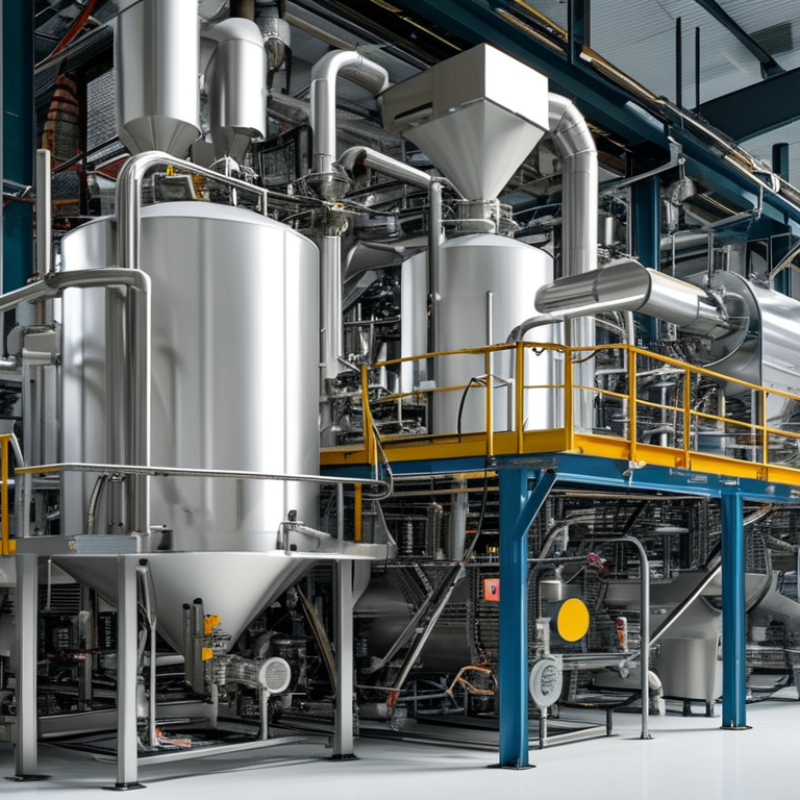
Filter dryers play a critical role in various industrial processes, particularly in the pharmaceutical and food sectors. These systems help remove moisture from bulk powders and granules, ensuring product stability and preventing degradation. According to a report by Research and Markets, the global filter dryer market is projected to grow at a CAGR of 5.6% from 2021 to 2026. This growth underscores the increasing reliance on efficient drying technologies across industries.
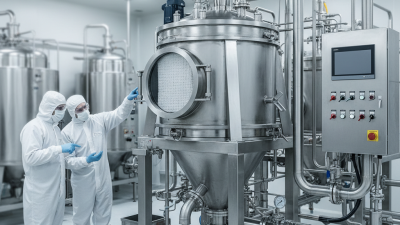
There are several types of filter dryers, including Nutsche filter dryers and Plate and Frame filter dryers. Nutsche filter dryers are designed for batch operations and are effective for solid-liquid separation. In contrast, Plate and Frame types are more suitable for continuous processing and are easier to clean. Industries that prioritize hygiene often prefer the latter. Moreover, many companies are now focusing on integrating automation within these systems. Data from a recent industry study reveals that automation can increase processing efficiency by up to 30%. However, the initial investment could deter some businesses from adopting these advancements.
Despite their benefits, filter dryers are not without challenges. Operators must regularly monitor filter integrity, as even minor leaks can lead to contamination. Maintenance schedules can become burdensome, especially in high-volume operations. Thus, businesses need to weigh the benefits against the ongoing costs of operation and maintenance. Proper training of personnel is essential to maximize the performance of these systems and highlight the importance of continuous evaluation in process efficiency.
What is the Best Filter Dryer for Your Industrial Needs?
This bar chart illustrates the efficiency of various types of filter dryers commonly used in industrial applications. Type A and B show the highest efficiency ratings, making them more suitable for demanding industrial needs, while Type C has a lower efficiency.
Key Factors to Consider When Choosing a Filter Dryer
When selecting a filter dryer for industrial applications, there are several key factors to examine. One crucial aspect is the type of material you are processing. Different materials have unique drying requirements. A study by the International Society for Pharmaceutical Engineering found that inability to customize operations led to inefficiencies in 45% of industrial processes.
Another important element is the capacity and size of the filter dryer. It is essential to ensure that the equipment can handle your production volume. According to a report from Frost & Sullivan, companies that underestimated capacity needs faced production downtime in 30% of cases. This not only affects operational efficiency but also impacts overall profitability.
Energy efficiency is also a vital consideration. Many industries are now mandated to reduce their energy consumption. A report by the U.S. Department of Energy indicates that optimized filter dryers can cut energy costs by up to 20%. However, achieving ideal energy usage often requires an initial investment in more sophisticated technology, necessitating careful long-term planning to avoid common pitfalls in budgeting. Understanding these dynamics can significantly improve the selection process and align the equipment with your operational goals.
Comparative Analysis of Popular Filter Dryer Models
When selecting a filter dryer for industrial applications, understanding the different models is essential. Filter dryers come in various configurations, each suited for specific tasks. Some models excel in moisture removal, while others focus on efficiency in separating solids from liquids. This choice depends on the nature of the material being processed and the desired end product.
One popular model uses a belt filter system. It is effective for continuous processes, allowing constant material flow. Another type features a batch processing approach, often preferred for smaller operations. Each model has strengths and weaknesses. For example, belt filters might struggle with highly viscous materials. In contrast, batch systems may not handle large volumes efficiently.
Consider the costs associated with maintenance as well. Some filter dryers require frequent upkeep, which can be a hidden expense. An analysis shows that durability and reliability are crucial. Assessing how each model can adapt to changing production demands is vital. This flexibility ensures that the chosen dryer remains effective over time.
What is the Best Filter Dryer for Your Industrial Needs? - Comparative Analysis of Popular Filter Dryer Models
| Model |
Drying Method |
Max Capacity (kg) |
Power Consumption (kW) |
Price Range ($) |
| Model A |
Heat Transfer |
300 |
15 |
5000 - 7000 |
| Model B |
Vacuum Drying |
200 |
12 |
6000 - 8000 |
| Model C |
Microwave |
150 |
10 |
7000 - 9000 |
| Model D |
Freeze Drying |
250 |
18 |
8000 - 10000 |
Maintenance Tips for Optimal Performance of Filter Dryers
Proper maintenance of filter dryers is crucial for enhancing their performance. Regular inspection and cleaning can prevent costly breakdowns. Industry reports indicate that up to 30% of filter dryer inefficiencies stem from a lack of maintenance. This often leads to unexpected downtime, affecting production rates.
Monitoring filter integrity is essential. Replacing filters at the recommended intervals ensures optimal performance. According to a recent analysis, maintaining filters can improve air flow by 20%. However, many operators overlook this aspect, leading to reduced efficiency and higher operational costs.
Attention to temperature settings can significantly impact performance. Operation outside recommended temperature ranges can shorten equipment lifespan. Regularly calibrating sensors helps maintain the right temperatures. Some maintenance practices may feel tedious, yet neglecting them often results in costly repairs. Balancing routine tasks with production needs is important, even if it feels inconvenient.
Cost-Benefit Considerations for Industrial Filter Dryers
Choosing the right filter dryer for industrial applications can be complex. Cost-benefit considerations are crucial to making an informed decision. A filter dryer’s efficiency and operational cost impact your bottom line. Assess the initial investment, maintenance costs, and energy consumption to calculate overall savings.
When evaluating options, consider the processing capacity of the dryer. Larger systems often promise greater output but come with higher costs. A mismatch can lead to inefficiencies. Design and size must align with your production goals without excessive overspending.
One thing to remember: performance varies by design. Some systems minimize particle build-up, while others excel in energy efficiency. Reviewing case studies can illuminate these differences. Analyze testimonials and gather information on real-world applications to ensure you select a reliable dryer. Focus on durability and ease of maintenance, as they contribute significantly to long-term savings. Investing time in research pays off.