Best Filter Dryer Solutions in China for Global Buyers?
In the quest for optimal manufacturing solutions, the filter dryer industry plays a vital role. As global buyers seek reliable options, advancements in technology and design have transformed the filter dryer landscape. Renowned expert Dr. Emily Wang emphasizes this transformation, stating, "Innovative filter dryer solutions can drastically improve efficiency and product quality." Her insights highlight the increasing importance of selecting the right filter dryer for specific needs.
China has emerged as a key player in this sector. With a robust manufacturing base, the country offers a wide array of filter dryer solutions tailored for diverse industries. Global buyers must navigate this landscape carefully. Not all options may meet international standards. Some manufacturers lack the necessary quality controls. This raises questions about reliability and efficiency.
Having a clear understanding of the filter dryer options available in China is crucial. Not every product will suit every application. Buyers must consider specific requirements, such as capacity and compatibility. Engaging with experienced suppliers is essential to making informed decisions. The right filter dryer can enhance production processes significantly, but the wrong choice can lead to operational setbacks.
Overview of Filter Dryer Technologies in China
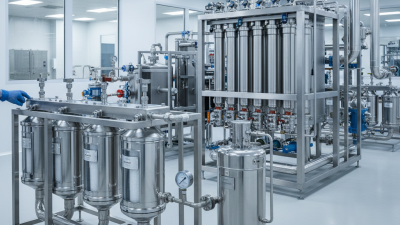
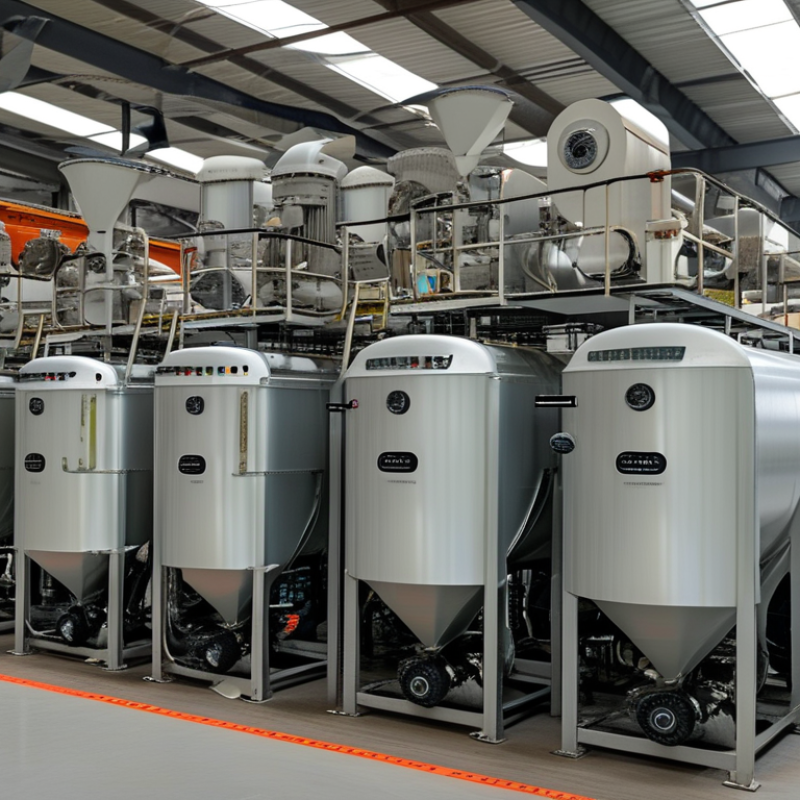
Filter dryer technologies in China have gained prominence in the global market. These systems are essential for various industries, including pharmaceuticals and chemicals. They combine filtering and drying functions, optimizing production efficiency. Many buyers notice significant cost savings when adopting these innovative solutions.
China’s filter dryer market offers diverse technologies. Differences in design and functionality cater to specific needs. Some systems excel at removing solvents, while others focus on separating solids. Buyers should be mindful of their unique requirements. Choosing the right technology involves careful consideration. The current challenge is ensuring reliability across different manufacturers. Not all options provide consistent quality, and buyers must conduct thorough research.
Innovation is evident in the development of automation within filter dryers. Automated systems enhance accuracy and reduce labor costs. However, the initial investment can be substantial, which may deter some buyers. Adopting these advancements requires a long-term vision. Ensuring the right balance between technology and cost is a challenge faced by many.
Key Manufacturers and Suppliers of Filter Dryers in China
When seeking reliable filter dryer solutions, China stands out as a key manufacturing hub. Many buyers appreciate the advanced technology and cost-effective production methods available there. Filter dryers play a crucial role in various industries, including pharmaceuticals and food processing. Effective drying is essential for product quality, and China's manufacturers offer a range of designs to meet diverse needs.
Key manufacturers in China have established strong reputations. They provide a variety of filter dryers that cater to different applications. This includes models that focus on efficiency and ease of use. Achieving consistent results often requires understanding the specific application. Not all manufacturers have the same level of expertise, which is an important consideration for buyers.
Quality assurance is vital when selecting a supplier. Some companies emphasize rigorous testing and adherence to international standards. Others may lack sufficient quality control measures. This variability can impact performance and reliability. Buyers must do their due diligence, ensuring they choose manufacturers with a proven track record in the industry.
Comparison of Filter Dryer Types and Their Applications
Filter dryers are essential equipment in industries requiring the removal of moisture and particles from various substances. There are several types of filter dryers, each designed for specific applications. The most common types include basket filter dryers, paddle-type dryers, and Nutsche filter dryers. Each type has unique benefits and limitations.
Basket filter dryers are often used for batch processing. They provide efficient filtration and drying. According to industry reports, these dryers achieve high solvent recovery rates. However, they may not be suitable for large-scale continuous operations due to their time-consuming batch nature.
Paddle-type dryers, on the other hand, are ideal for continuous processes, providing quick moisture removal. They can handle larger quantities, but their initial investment may be higher.
Tip: Always consider the scale of production and specific moisture removal needs before choosing a filter dryer type.
Nutsche filter dryers are versatile and can operate under varying pressure and temperature conditions. They work well for both viscous and granular materials. Despite their efficiency, they may require more maintenance due to their complex design. It's important to assess not only the initial cost but also the long-term operational expenses.
Tip: Regular maintenance and operator training can significantly enhance the efficiency and lifespan of your filter dryer. Always ensure operators are well-versed in equipment handling.
Quality Standards and Certifications for Chinese Filter Dryers
When sourcing filter dryers from China, quality assurance is paramount. Manufacturers often implement various quality standards to meet international expectations. Common certifications include ISO 9001 and CE markings. These reflect a commitment to quality and safety. Buyers should verify these certifications to ensure compliance.
The manufacturing process plays a crucial role in the efficiency of filter dryers. Attention to detail is essential at every stage. Even minor errors can lead to significant performance issues. Regular audits and inspections can help identify these shortcomings in production lines. It's advisable for buyers to request documentation demonstrating adherence to these quality standards.
Navigating the landscape of filter dryer solutions in China can be challenging. Not all manufacturers maintain the same level of quality. Some may overlook critical testing phases. Understanding these nuances requires careful research. Engaging with knowledgeable professionals can provide invaluable insights. This approach brings a layer of security to your purchasing decisions.
Best Filter Dryer Solutions in China for Global Buyers
| Model |
Capacity (L) |
Power (kW) |
Material |
Certifications |
Quality Standards |
| FD-100 |
100 |
15 |
Stainless Steel |
ISO 9001, CE |
ASME BPE |
| FD-200 |
200 |
30 |
Carbon Steel |
ISO 14001, CE |
API 610 |
| FD-300 |
300 |
45 |
Alloy |
ISO 9001, FDA |
ASTM A480 |
| FD-400 |
400 |
60 |
Stainless Steel |
ISO 13485, CE |
EHEDG |
Trends and Future Developments in China's Filter Dryer Market
The filter dryer market in China has seen significant growth in recent years. Increasing demand from various industries drives innovation. Food, pharmaceutical, and chemical sectors require efficient filtration and drying solutions. This demand leads to advancements in technology and designs.
One notable trend is the focus on energy efficiency. Many manufacturers are exploring eco-friendly options. They aim to reduce operational costs and environmental impact. However, some companies struggle to balance cost and technology. The pursuit of high efficiency sometimes drives up production costs, raising the final product price.
Future developments will likely center on automation and smart technologies. This shift will improve precision in processes. However, the integration of technology might pose challenges for smaller businesses. They may find it hard to keep pace. The future promises exciting advancements, though uncertainties remain in adapting these technologies across the board.