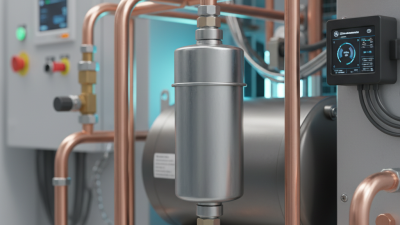
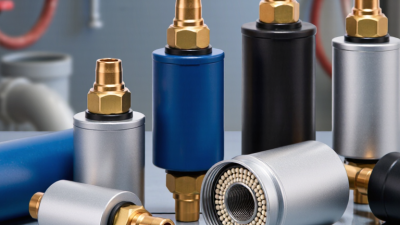
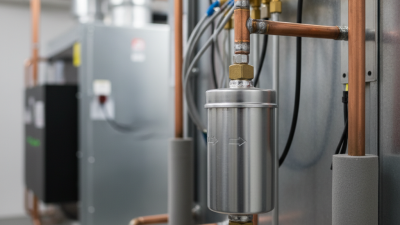
A Copper Filter Drier is a small component with an important job: trapping moisture and particles before they reach sensitive HVAC equipment. When a system is opened for repair, even a little air exposure can introduce moisture. The effects may not show up immediately. That is why choosing a drier deserves more attention than its modest size suggests.
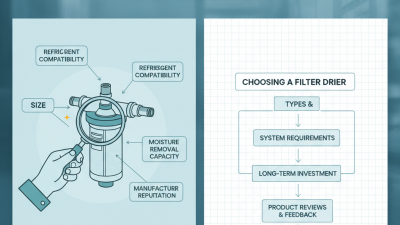
This guide to the 2026 best Copper Filter Drier options explains what to compare, including refrigerant compatibility, system capacity, pressure rating, connection size, and installation requirements. A model that suits one residential air conditioner may not fit a heat pump or a larger commercial system. Check the equipment manufacturer’s specifications, and confirm the drier is appropriate for the refrigerant and application. Details matter. We’ll also consider construction, filtration performance, and practical features that can make installation easier, such as accessible connections and a clear flow direction marking. Product descriptions do not always tell the whole story, so verify key specifications before purchasing. I would not call any single model the best for every system; service conditions and correct sizing can change the answer. This overview is a starting point, not a substitute for the equipment documentation or a qualified HVAC technician’s judgment. A good choice should match the system, not just the price tag.
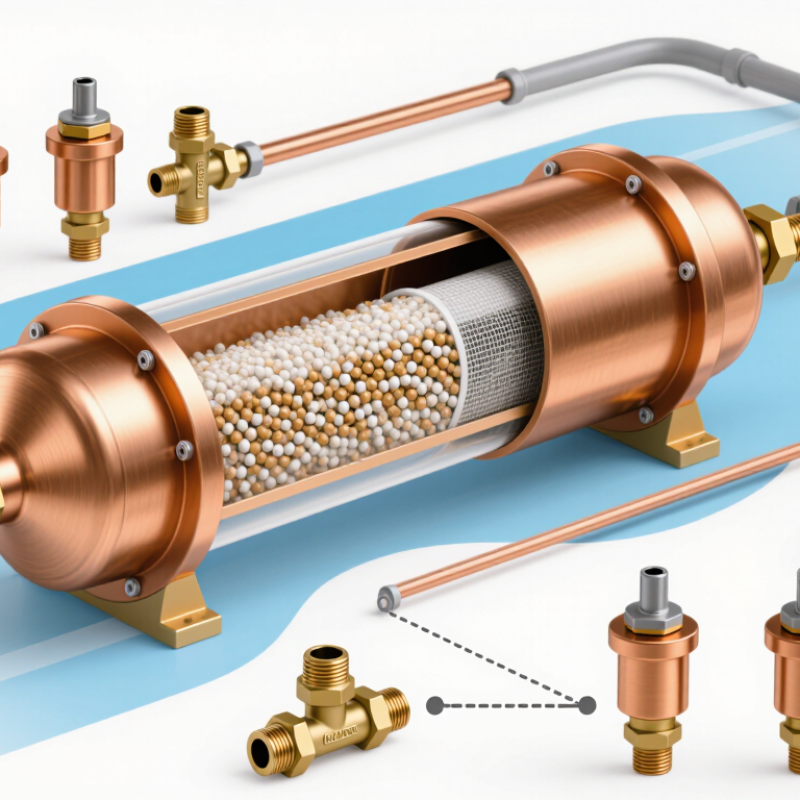
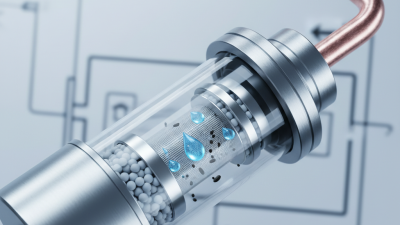
A copper filter drier helps protect an HVAC system by trapping moisture and small contaminants in the refrigerant circuit. Its copper shell connects to the tubing, while a desiccant core captures moisture that could otherwise contribute to ice formation, corrosion, or acid-related damage. ASHRAE’s Handbook—Refrigeration describes filter-driers as components for removing moisture and contaminants. AHRI Standard 700-2024 sets refrigerant purity limits, including water-content limits that vary by refrigerant. A drier supports cleanliness; it cannot correct a leak or remove every source of contamination.
In the field, a technician may replace the drier after opening a sealed system, then evacuate the circuit and check for leaks. Small details matter: the flow arrow must match refrigerant direction, and brazing heat should not damage the drier’s internals. A copper body is practical for copper-line connections, but correct sizing and compatible refrigerant matter more than appearance. It is easy to treat this part as routine. That can be a mistake.
Tips: Choose a drier rated for the system’s refrigerant and capacity. Keep it sealed until installation, and replace it if it becomes saturated or exposed to air. Follow the equipment maker’s service instructions; a filter drier is protection, not a substitute for proper evacuation.
A copper filter drier protects an HVAC refrigeration circuit by controlling what travels with the refrigerant. Its copper shell provides a sealed, pressure-rated housing; the shell itself does not remove moisture. Inside, desiccant materials such as molecular sieve adsorb water as refrigerant passes through. Some designs also use activated alumina to help capture acids.
Small screens hold the desiccant in place and catch debris, including scale or particles left after service. The details matter. Moisture can freeze at a metering device, restricting flow, while acids and particles may contribute to corrosion or wear. A drier cannot repair contamination already damaging a compressor.
One detail is easy to overlook: capacity and connection size must suit the system and refrigerant. Too small, and flow may be restricted; the wrong desiccant may be unsuitable. Not a universal part. Technicians typically replace the drier after a sealed system has been opened, then evacuate the circuit with proper equipment. If a system has suffered a burnout, selecting a drier may require additional guidance. A copper shell is sturdy, but installation still needs clean, dry practices. Tiny mistakes count.
Choosing a copper filter drier in 2026 means matching its ratings to the refrigerant, lubricant, and system capacity. Check connection size, maximum working pressure, rated flow, and pressure drop at the actual operating conditions. A drier that fits the line can still restrict flow. Small details matter.
Moisture and acid capacity deserve equal attention. AHRI Standard 710 provides test-based ratings for filter-drier moisture and acid capacity; compare those figures rather than relying on shell size alone.
AHRI Standard 700 lists a 10-parts-per-million-by-mass water limit for several common refrigerants, though the applicable limit depends on refrigerant type. ASHRAE’s 2022 Handbook—Refrigeration also addresses moisture and contaminant control in refrigeration systems.
Confirm the exact refrigerant and oil compatibility in the manufacturer’s technical data. A catalog number alone is not enough.
In the field, line length, service conditions, and trapped debris can change the selection; I would recheck the pressure-drop rating before specifying a replacement.
Copper filter driers protect HVAC equipment by trapping particles and absorbing moisture before these contaminants reach sensitive components. The copper shell provides a durable connection point, while the internal desiccant and filter determine what the unit can capture. Small details matter. A drier that looks suitable may still have the wrong capacity or connection size for the system.
Liquid-line driers are commonly installed between the condenser and expansion device. They help control moisture and debris before refrigerant enters a narrow metering passage. Suction-line driers serve a different purpose: technicians may use them temporarily after a compressor burnout to catch contaminants returning through the suction line. They can restrict flow if left in place beyond the manufacturer’s guidance. Heat pumps may use bi-flow driers, designed to handle refrigerant moving in either direction during heating and cooling.
Choose a type based on refrigerant compatibility, system capacity, pressure rating, and the manufacturer’s installation instructions. Check the arrow on a directional drier before brazing, and protect its body from excess heat with a damp cloth or heat sink. Keep tubing clean and sealed until assembly. A neat specification sheet can still miss real site conditions, such as limited clearance or a retrofit’s uncertain refrigerant history. Verify those details before selecting a replacement.
Typical liquid-line and suction-line filter driers are designed for one-way refrigerant flow. Bi-flow models accommodate flow in both directions and are commonly used in heat-pump systems. Confirm the unit’s approved application and flow direction in its technical documentation before installation.
2026 Best Copper Filter Drier for HVAC Systems
Reliable HVAC performance starts with a correctly installed copper filter drier. Match its capacity and connection size to system specifications. Install it in the specified liquid line, with the arrow facing refrigerant flow. Keep tube ends capped until assembly; exposed tubing can collect moisture and debris. During brazing, flow dry nitrogen and shield nearby components from heat. Clean work matters. A qualified technician should pressure-test and leak-check the circuit, then evacuate it to the specified vacuum level. A quick gauge glance is not enough.
Tips: Keep the drier sealed until needed, make clean tube cuts, and avoid excessive brazing heat. Let the assembly cool before handling. Record the part specifications and service conditions; those notes can help explain later performance changes.
Maintenance means protecting the refrigerant circuit, not replacing parts on an arbitrary calendar. During service, inspect for corrosion, oil residue, damaged insulation, and unusual temperature differences across the drier. Compare readings with equipment data and operating conditions, since some temperature variation may be normal. Replace the drier when the sealed system is opened, or when diagnosis points to moisture or contamination. Don’t treat it as a cure for a restriction elsewhere. Even experienced technicians can miss a small leak, so document measurements and check the underlying cause when cooling remains poor.