Choosing a reliable Refrigerator Filter Dryer supplier in China requires more than comparing catalog prices. These compact components protect compressors, expansion valves, and capillary tubes from moisture, acids, particles, and installation debris. A weak filter-drier can quietly increase pressure drop, reduce cooling performance, and shorten system life.
Dr. Andy Pearson, a respected refrigeration engineer, has stated, “Good refrigeration design begins with controlling the details.” That principle fits filter-dryer sourcing closely. The best suppliers should demonstrate stable desiccant performance, clean copper tubing, accurate welding, consistent dimensions, and dependable batch testing. Buyers should also examine drying capacity, maximum working pressure, refrigerant compatibility, temperature range, and available connection sizes. Certificates matter, but they should support real inspection rather than replace it.
This guide reviews China’s top Refrigerator Filter Dryer suppliers through a practical purchasing lens. It considers manufacturing experience, product range, export reliability, quality systems, technical support, and customization ability. Factory audits, sample testing, and transparent documentation remain important. Photos alone are not enough.
Some rankings may change.
Market information develops quickly, and supplier performance can vary between production batches. A company with strong equipment may still provide uneven communication or slow technical responses. That weakness deserves attention. The most suitable partner is not always the largest manufacturer. It is the supplier that can repeatedly deliver clean, compatible, and traceable products for your actual refrigeration application. This introduction therefore encourages careful comparison, realistic technical questions, and independent verification before long-term purchasing decisions.
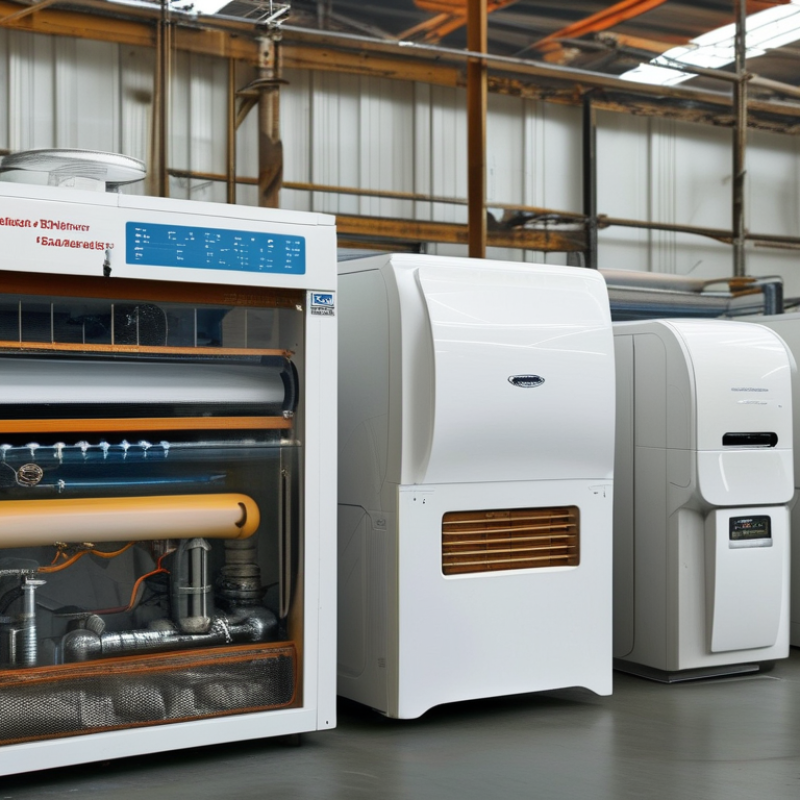
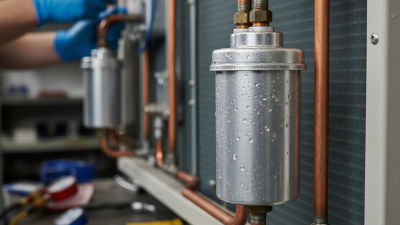
A refrigerator filter dryer is a sealed component installed in the liquid line.
It removes moisture, acid, and small particles from refrigerant. Inside, a desiccant core traps water before it reaches the expansion device. A fine filter also helps protect valves and compressors from debris.
The component looks modest. Its responsibility is not.
Moisture can freeze at a narrow valve opening and restrict refrigerant flow. It can also react with oil and refrigerant, creating acids that damage motor insulation and metal surfaces.
In service work, technicians often inspect the sight glass, pressure readings, and temperature changes together.
One symptom rarely proves the dryer is blocked. That detail matters.
Its moisture capacity should remain effective during both startup and normal cycling. Oversizing is not always safer. An unsuitable core may increase pressure drop or fail to control contaminants properly.
Installation also requires clean tubing, correct flow direction, and careful brazing. Heat can damage the desiccant if protection is ignored.
Supplier reliability deserves equal attention.
Technical data should identify pressure ratings, core materials, compatibility, and recommended replacement conditions. Clear documentation supports safer maintenance decisions.
Yet specifications can never replace inspection. Even a well-made dryer may perform poorly after contamination, improper storage, or careless installation.
That is an inconvenient truth worth remembering.
How to Assess China’s Refrigerator Filter Dryer Suppliers
Assess suppliers through evidence, not attractive catalogs. Request factory photographs, production flow details, and recent quality records. A capable supplier should explain copper tube grades, desiccant selection, and moisture capacity clearly. Ask for samples from the same production line. Compare dimensions, brazing surfaces, and filter media consistency. Small differences can affect installation and cooling performance.
Request test data for pressure resistance, leakage, cleanliness, and pressure drop. Reliable suppliers should provide batch numbers and traceable inspection records. During a factory visit, inspect storage conditions, calibration labels, and worker procedures. Dusty shelves or mixed materials deserve attention. Confirm whether testing equipment is maintained internally or outsourced. Outsourced testing is not automatically weak, but documentation must remain available.
Commercial reliability matters too. Check production capacity against your order volume and seasonal demand. Discuss lead times using real quantities, not vague promises. Clarify packaging, replacement procedures, warranty limits, and technical response times. Ask how the supplier handles a failed sample or delayed shipment. Their answer often reveals more than a sales presentation. A polished website proves little. One evaluation weakness is trusting documents without checking physical samples. A better process compares three samples, records measurements, and repeats critical tests. Suppliers with clear communication, stable processes, and verifiable experience deserve closer consideration.
China’s Top 10 Refrigerator Filter Dryer Suppliers
China’s refrigerator filter dryer sector benefits from strong appliance manufacturing capacity. The National Bureau of Statistics reported approximately 89 million household refrigerators produced in China during 2023. This scale supports specialized suppliers producing copper shells, molecular-sieve cores, and welded connections for domestic and export markets.
The IEA’s The Future of Cooling report projects global cooling energy demand could more than triple by 2050 without stronger efficiency measures. Reliable filter dryers help protect compressors from moisture, acids, and fine particles. When reviewing China’s top ten suppliers, buyers should examine core capacity, pressure testing, leak testing, and batch traceability. ISO 9001 certification is useful, but it is not enough. Check actual inspection records.
Small details matter.
A practical audit should compare drying capacity, pressure-drop data, refrigerant compatibility, and storage conditions. Suppliers using sealed packaging reduce moisture exposure before installation. Technical documents should identify testing standards and acceptable tolerances clearly. Independent laboratory verification adds confidence, especially for high-volume purchasing. China’s export logistics are mature, yet poor warehouse handling can still damage otherwise sound components. I have seen specifications look excellent while packaging remained weak. That deserves reflection. Price should be evaluated beside failure rates, replacement costs, and delivery consistency, not alone.
Choosing among China’s top refrigerator filter dryer suppliers requires more than comparing catalog prices. In practical sourcing, I examine copper tube quality, molecular sieve capacity, pressure ratings, and connection accuracy. A reliable filter dryer should remove moisture, acid, and fine particles without restricting refrigerant flow. Small details matter. For example, uneven brazing can create leakage risks during vibration testing. Suppliers offering standard, bi-flow, and customized models deserve closer comparison. However, product variety alone does not prove technical strength.
Manufacturing capability becomes clearer through factory evidence. Look for automated tube cutting, controlled welding, vacuum testing, and documented batch traceability. Suppliers with in-house testing can respond faster when pressure loss or desiccant performance varies. I also check whether production records match actual shipment labels. Sometimes, impressive equipment is shown during audits, but daily production still relies heavily on manual work. That gap deserves attention. Sample testing should include dimensional checks, burst pressure tests, leak detection, and moisture absorption evaluation.
Certifications support credibility, but they must be verified carefully. ISO 9001 can indicate an organized quality system, while ISO 14001 reflects environmental management practices. Depending on the destination market, RoHS, REACH, or other compliance documents may be relevant. Certificates should show the correct legal entity, product scope, and valid dates. A supplier’s test report is useful, yet independent laboratory verification provides stronger confidence. Ask for recent records, not only prepared brochures. Factory communication, corrective-action speed, and consistent packaging also reveal reliability. Good results are important. Consistent results are harder.
Selecting among China’s top 10 refrigerator filter dryer suppliers requires more than comparing prices. Start with your system conditions: refrigerant type, working pressure, connection size, cooling capacity, and expected operating temperature. A dryer designed for a small domestic refrigerator may fail in a commercial cold room. Ask each supplier for dimensional drawings, pressure-test records, desiccant specifications, and compatible refrigerant data.
Factory experience matters. Review production photos, inspection procedures, and batch traceability rather than relying on polished catalogs. Check whether copper tubes are clean, dry, and properly sealed before shipment. Request samples from the same production line used for mass orders. Measure wall thickness, connection accuracy, and flow resistance. Small inconsistencies can create installation delays. They can also damage trust.
Communication reveals technical reliability. A capable supplier should answer practical questions about moisture capacity, brazing temperature, storage life, and packaging protection. Confirm quality standards, inspection frequency, corrective-action procedures, and lead times in writing. A low quotation may look attractive, but it can hide thinner materials or weaker testing. That assumption needs checking. I would compare total application cost, not unit price alone. Also, avoid choosing only from a ranking. Your refrigerant, climate, service method, and annual volume may require a less obvious supplier with stronger technical support.
The chart presents a practical 100-point screening framework for comparing refrigerator filter dryer suppliers. Application compatibility, pressure-temperature ratings, moisture and acid capacity, and flow performance should receive the highest priority before commercial factors.
The percentages represent recommended evaluation weights rather than company or brand performance data. Final weighting should be adjusted according to refrigerant type, system pressure, capacity, operating temperature, connection design, and applicable safety requirements.