Top Essential Facts About HVAC Filter Drier and Its Importance?
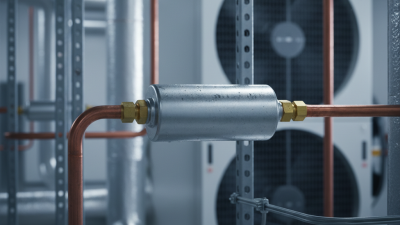
HVAC systems play a crucial role in maintaining indoor comfort. An often overlooked component is the HVAC filter drier. Understanding its function is vital for efficiency and longevity. This device serves multiple purposes in air conditioning and refrigeration systems.
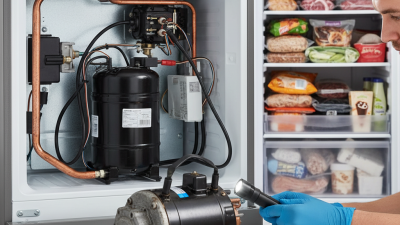
The HVAC filter drier removes moisture and impurities from refrigerants. Excess moisture can lead to serious problems, such as corrosion and component failure. This component also ensures the refrigerant remains clean, which is key for optimal performance.
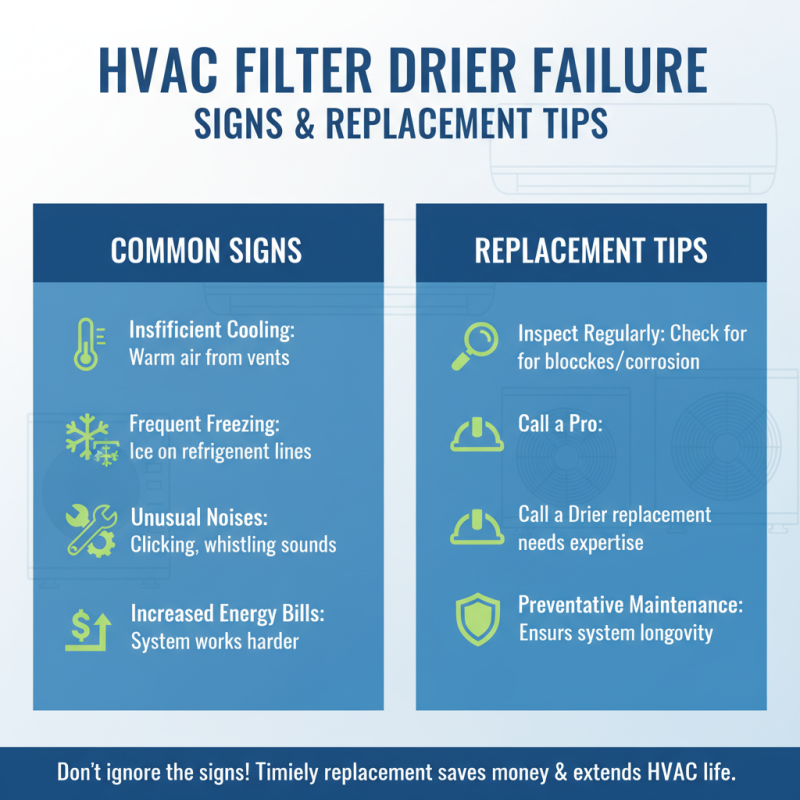
Despite its importance, many users do not give the HVAC filter drier the attention it deserves. A lack of knowledge can lead to higher repair costs and energy inefficiency. Regular maintenance and timely replacement are necessary for the system's health. Ignoring the filter drier might save time initially, but the long-term consequences can be costly. Understanding the importance of this little component can significantly impact HVAC efficiency and durability.
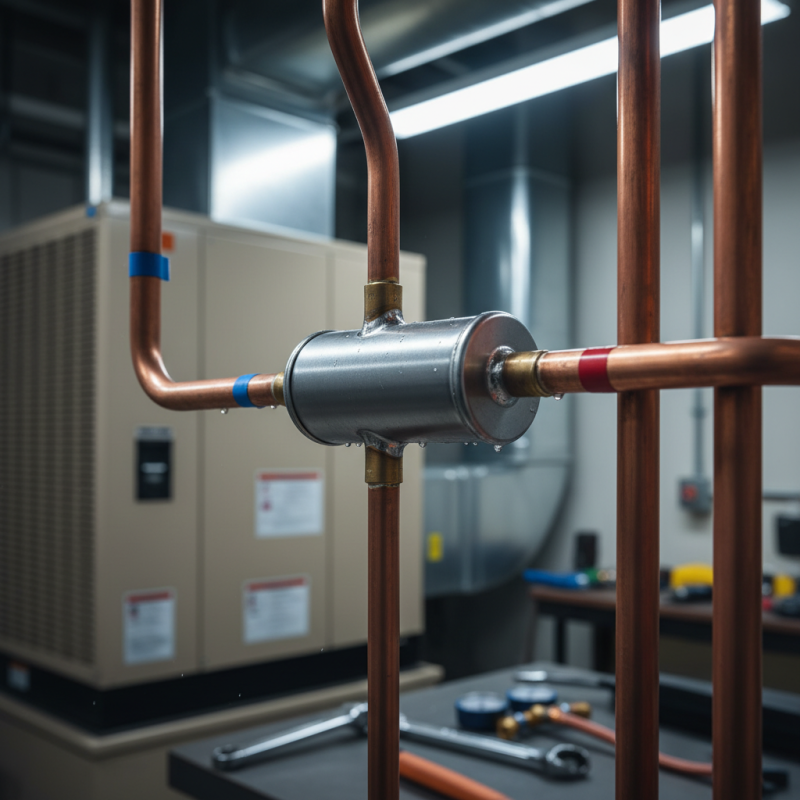
What is an HVAC Filter Drier and How Does It Work?
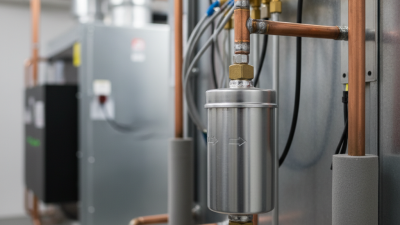
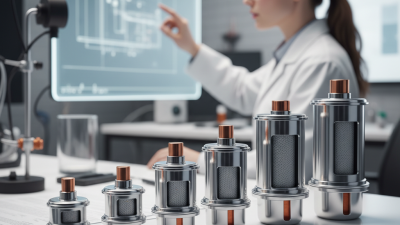
An HVAC filter drier is a crucial component in refrigeration and air conditioning systems. It serves to remove moisture and contaminants from the refrigerant. Moisture can lead to acid buildup, which can damage compressor parts and lead to costly repairs. Reports show that nearly 80% of HVAC system failures are linked to moisture-related issues, emphasizing the importance of driers.
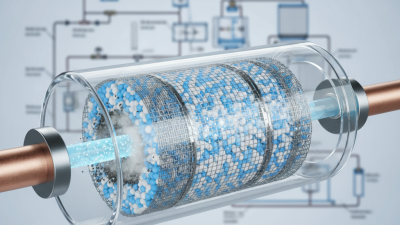
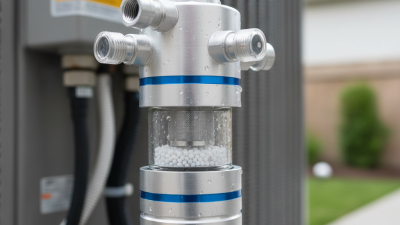
Filter driers function through a combination of filtration and desiccation. They contain a desiccant that absorbs moisture. Additionally, the filter captures debris and contaminants, preventing them from circulating throughout the system. Industry data indicates that using a filter drier can enhance system efficiency by up to 30%. Regular maintenance and inspections are vital because a clogged or saturated filter drier can restrict refrigerant flow.
Despite their significance, many homeowners overlook the need for timely replacement. A filter that is too old or compromised can actually introduce further issues into the system. This highlights the necessity for education on HVAC systems. Professionals recommend checking filter driers at least annually, ensuring they remain effective. Understanding these aspects can help in extending the life of your HVAC system while maintaining optimal performance.
Key Components of an HVAC Filter Drier and Their Functions
The HVAC filter drier plays a significant role in maintaining system efficiency. It typically consists of three key components: the filter, the drier, and the expansion device. Each part serves a unique purpose that enhances overall functionality. The filter removes contaminants such as dust and debris. This initial step is crucial. It prevents these particles from clogging the system, which can reduce performance.
The drier absorbs moisture from the refrigerant. Excess moisture can lead to corrosion and compressor damage. Reports indicate that moisture issues are responsible for 50% of HVAC failures. A drier ensures the system operates smoothly by eliminating this risk. The expansion device controls refrigerant flow based on pressure differences. This regulation is vital for achieving the desired cooling effect.
In practice, HVAC systems should have their filter drier replaced regularly for optimal performance. Many professionals recommend changing it every three to five years. This ensures higher efficiency and a longer lifespan for the entire system. However, not all technicians follow this guideline, sometimes leading to preventable issues. Regular maintenance check-ups can significantly improve reliability and function. Keeping these aspects in mind can ensure a well-functioning HVAC system that operates efficiently.
Top Essential Facts About HVAC Filter Drier and Its Importance
This chart illustrates the importance of various components of HVAC filter driers and their functions. The data represents the percentage effectiveness of each component in maintaining system efficiency and preventing contamination.
Importance of HVAC Filter Drier in System Efficiency and Longevity
The HVAC filter drier plays a crucial role in maintaining the efficiency and longevity of heating, ventilation, and air conditioning systems. Essentially, it removes moisture, dirt, and other contaminants from the refrigerant. According to a study by the American Society of Heating, Refrigerating and Air-Conditioning Engineers (ASHRAE), systems operating without a filter drier can lose up to 15% of their efficiency due to contamination. This highlights the need for regular maintenance and the importance of proper installation.
A filter drier not only improves system efficiency but also extends its lifespan. Moisture in the system promotes corrosion and leads to component failure. A report from the Department of Energy indicates that proper filtration can reduce repair costs by up to 30%. However, choosing the right filter drier for specific systems can be challenging. Many HVAC professionals argue that insufficient knowledge of the drier's specifications can lead to inefficiencies. Inadequate selection may result in recurring issues, thereby negating any benefits gained from its use.
Understanding the importance of the HVAC filter drier is essential for optimal system performance. While it may seem like a simple component, its proper functioning is vital. Installation mistakes or neglect can have a cascading effect on the entire system, leading to increased energy consumption and premature failures. As professionals note, ongoing education and awareness are needed to ensure that HVAC systems operate at their best.
Tips for Selecting and Maintaining an HVAC Filter Drier
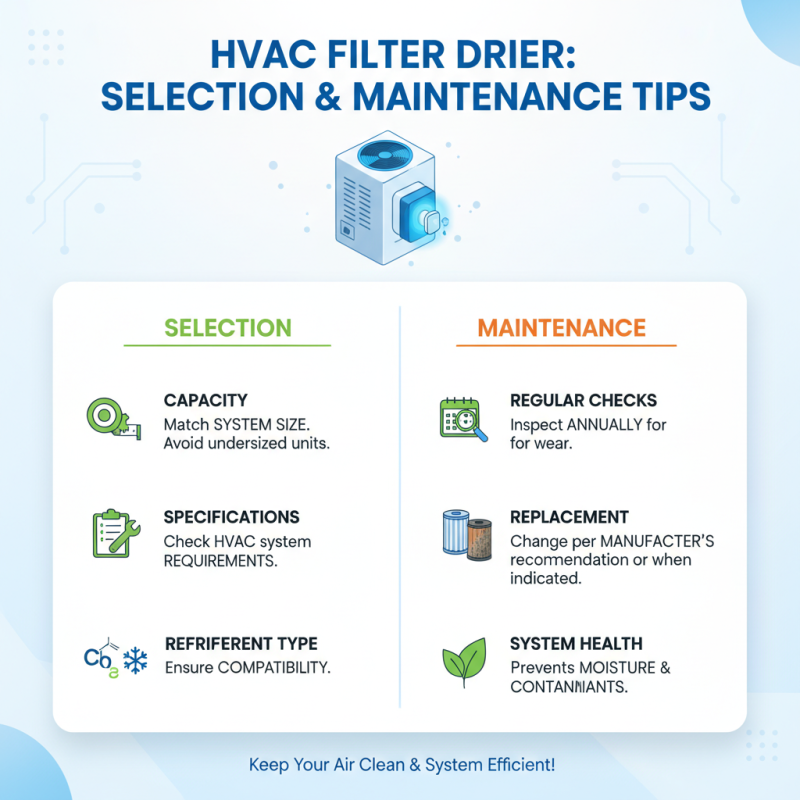
When selecting an HVAC filter drier, consider several key factors. The capacity of the filter drier should match your system size. An undersized unit may not effectively remove moisture and contaminants. Check the specifications and make sure it meets your HVAC system's requirements. Also, pay attention to the refrigerant type to ensure compatibility.
Maintenance is crucial for optimal performance. Regularly inspect the filter drier for signs of clogging or damage. Clean the exterior to prevent dirt buildup, which can affect airflow. After replacing any components, ensure the system is properly charged. Sometimes, failures can occur due to overlooked details, such as incorrect installation or neglecting to change the filter at the right intervals. Even small mistakes can lead to significant issues down the line. Always refer back to the installation guidelines for a comprehensive understanding.