2026 Top Refrigeration Evaporator Coils Suppliers?
Choosing the 2026 top Refrigeration Evaporator Coils suppliers requires more than comparing catalog prices. Coil performance affects cooling capacity, energy use, defrost frequency, and product safety. It also influences maintenance costs inside cold rooms, supermarkets, food plants, and transport refrigeration systems.
The International Institute of Refrigeration reports that refrigeration consumes roughly 17% of global electricity. This figure explains why heat-transfer efficiency matters beyond the equipment room. The IEA’s The Future of Cooling report also warns that cooling demand could triple by 2050 without stronger efficiency improvements. These findings make fin design, tube configuration, refrigerant compatibility, and corrosion resistance important supplier-selection criteria. A reliable manufacturer should provide tested capacity data, material specifications, pressure ratings, and traceable quality records.
Real projects reveal the difference.
A supplier may advertise impressive output, yet poorly matched airflow can reduce actual performance. Experienced buyers should examine operating temperatures, humidity, refrigerant type, defrost method, and installation conditions. Eurovent certification, AHRI performance data, ISO 9001 systems, and documented factory testing can strengthen confidence, although certification does not replace engineering review. Delivery reliability matters too. A perfectly designed coil is useless when replacement parts arrive after a warehouse shutdown.
This guide evaluates leading suppliers through technical capability, customization, manufacturing experience, service coverage, and lifecycle value. It considers copper-aluminum construction, stainless-steel options, low-temperature applications, and environmentally relevant refrigerants. Rankings remain imperfect because regional service quality and project requirements vary. Market data also changes quickly. Readers should verify current certifications, warranty terms, production capacity, and refrigerant approvals before making a final decision.
What Are Refrigeration Evaporator Coils and How Do They Work?
2026 Top Refrigeration Evaporator Coils Suppliers?
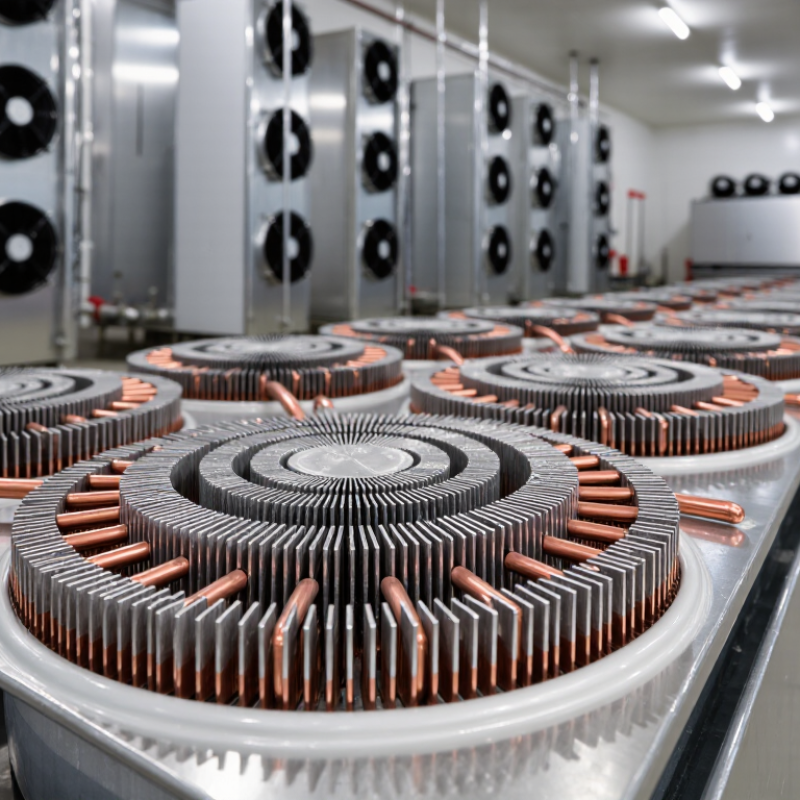
Refrigeration evaporator coils absorb heat from stored products and surrounding air. They sit inside the cold space, cabinet, or air-handling section. Refrigerant enters as a low-pressure, cold liquid-vapor mixture. As it flows through copper or aluminum tubing, it absorbs heat and evaporates. The compressor then receives the warmer vapor and continues the cycle.
Fins increase the coil’s surface area. A fan pushes air across these fins, moving heat faster. In a walk-in freezer, frost can cover the fins within hours when doors remain open or humidity rises. That frost acts like insulation. Airflow drops, temperatures drift, and the compressor works harder. ASHRAE Handbook—Refrigeration identifies airflow, refrigerant distribution, surface cleanliness, and defrost control as practical performance factors.
The International Institute of Refrigeration reports that refrigeration consumes roughly 20% of global electricity. In supermarkets, the ENERGY STAR commercial refrigeration guidance notes that refrigeration may represent nearly half of total electricity use. These figures explain why coil selection matters beyond purchase price.
Engineers typically compare heat-transfer capacity, fin spacing, corrosion resistance, refrigerant compatibility, and cleaning access. Wider fin spacing can resist frost better, but it may require a larger coil. Tight fins look efficient on paper. They can fail quickly in wet, dusty rooms. I have found that published capacity data is not always directly comparable; test temperatures, airflow, and defrost conditions can differ. Specification sheets need careful checking.
Key Factors for Evaluating Evaporator Coil Suppliers in 2026
Evaluating refrigeration evaporator coil suppliers in 2026 requires more than comparing prices. Start with the coil’s working conditions. Consider refrigerant type, evaporating temperature, airflow, humidity, and expected operating hours. A credible supplier should provide performance data at clearly stated test conditions. Ask for capacity tables, pressure-drop results, material specifications, and cleaning guidance. Numbers need context.
Inspect manufacturing quality closely. Copper tube expansion should be uniform, with no loose fins or crushed edges. Aluminum surfaces need consistent spacing and protective treatment where corrosion risks are high. Review brazing procedures, leak-test methods, and inspection records. Traceable batch numbers can make warranty investigations faster. Small details matter. One poorly positioned drain pan can create water problems after installation.
Supplier reliability also depends on engineering support and delivery control. Request drawings before production, including connection locations, cabinet clearances, and service access. Confirm how design changes are approved and documented. A responsive technical team should answer practical questions without hiding behind generic brochures. Lead times must include testing and packing, not only factory completion.
A polished factory can still miss field realities. This is where evaluation becomes less comfortable. Ask for references from comparable cold-storage or process-cooling projects, then verify actual operating results. Check packaging photos and damage procedures. Review warranty exclusions carefully. The lowest quotation may become expensive when replacement coils, installation delays, or repeated cleaning are involved. Even experienced buyers can overlook maintenance access. A physical mock-up or site review may prevent that mistake.
Leading Refrigeration Evaporator Coil Suppliers to Consider in 2026
Leading Refrigeration Evaporator Coil Suppliers to Consider in 2026
Refrigeration demand is moving toward higher efficiency and lower-impact refrigerants. The IEA’s Future of Cooling report projects that cooling energy demand could more than triple by 2050 without stronger efficiency measures. UNEP’s Global Cooling Watch 2023 also identifies rapid cooling growth in emerging markets. These trends make evaporator coil suppliers important equipment partners, not simple component vendors.
Look for suppliers that publish capacity data at defined evaporating temperatures, airflow rates, and refrigerant conditions. Ask for fin spacing, tube material, pressure-test results, and defrost recommendations. Wider fin spacing may reduce ice buildup in frozen-food rooms. Coated surfaces can help in humid or corrosive environments. Check compliance with recognized safety and performance standards, including relevant ASHRAE guidance. Field experience matters here. A coil that performs well in a laboratory may struggle beside an open loading door.
Reliable suppliers should provide drawings, selection software, traceable test records, and replacement support. Lead times deserve equal attention. A cheaper coil is not cheaper when a cold room waits three weeks for a replacement. No supplier is perfect. Some published ratings remain difficult to compare because test conditions differ. Buyers should request like-for-like calculations and inspect reference installations. The final choice should balance efficiency, serviceability, refrigerant compatibility, and documented evidence rather than marketing claims.
How to Compare Supplier Quality, Customization, and Delivery
For 2026, the strongest refrigeration evaporator coil suppliers should be compared beyond price. The IEA’s The Future of Cooling report projects global cooling demand could more than triple by 2050. That pressure makes efficiency, serviceability, and reliable production increasingly important.
Quality begins with measurable performance. Ask whether coil ratings follow AHRI Standard 410 and whether test records are available for capacity, airflow, pressure drop, and leakage. ASHRAE Handbook—Refrigeration also stresses correct refrigerant selection, frost control, and operating conditions. A serious supplier should provide material certificates, brazing procedures, inspection photos, and traceable serial numbers. Small details matter. One missing test record can delay approval.
Customization should reflect the installation, not merely a different tube length. Compare fin spacing, corrosion protection, circuit design, drain-pan construction, refrigerant compatibility, and defrost requirements. Request a sample drawing before placing a volume order. Delivery claims need evidence, too. Review average lead time, emergency capacity, packaging design, export documents, and historical on-time delivery. A useful scorecard may assign 35% to verified quality, 25% to customization, 20% to delivery performance, and 20% to technical support. This weighting is not universal. Cold-room applications may require a different balance. Supplier audits and reference checks often reveal what brochures hide.
2026 Top Refrigeration Evaporator Coils Suppliers? How to Compare Supplier Quality, Customization, and Delivery
This anonymized benchmark compares supplier performance using commonly applied procurement criteria. Scores are normalized from 1 to 10, with higher values indicating stronger quality control, customization capability, delivery reliability, and technical support.
Quality reflects material consistency, leak testing, and production control. Customization covers coil dimensions, tube patterns, fin specifications, coatings, and refrigerant compatibility. Delivery reflects lead-time stability, production capacity, and on-time shipment performance.
Best Practices for Selecting the Right Evaporator Coil Supplier
Best Practices for Selecting the Right Evaporator Coil Supplier
Choosing an evaporator coil supplier requires more than comparing catalog prices. In field installations, coil performance depends on airflow, refrigerant type, humidity, and cabinet dimensions. A reliable supplier should provide clear drawings, verified capacity data, and material specifications. Ask how performance is tested. Request documents that explain test conditions, not only final numbers. This prevents costly surprises after installation.
Check the supplier’s engineering support before placing a large order. Experienced teams can review entering air temperature, target evaporating temperature, face velocity, and pressure drop. They should also explain tube materials, fin spacing, coating options, and corrosion resistance. A supplier with traceable quality procedures can identify batch details and inspection records. That matters when a coil develops uneven frosting or a drain pan overflows. Real conversations reveal more than polished brochures. Sometimes, even experienced buyers miss clearance around service panels.
Tips: Share accurate operating data. Measure the available space twice. Confirm connection sizes and circuiting. Ask for sample test reports. Review warranty exclusions carefully. Check lead times in writing. Discuss packaging for long-distance transport, because bent fins can reduce airflow before commissioning. Do not select solely by the lowest quotation. A cheaper coil may require stronger fans, more frequent cleaning, or earlier replacement. I have found that suppliers who welcome technical questions usually support smoother commissioning, although that is not a guarantee. Keep a written comparison of capacity, materials, testing, delivery, and after-sales response. It makes weak assumptions easier to challenge.